
WE DESIGN, BUILD, AND MARKET CUSTOM BRANDS AND WEBSITES.
We offer full-service digital marketing with proven results.
Corporate Conversions is a Grand Rapids internet communications team specializing in design, marketing, web development and managed hosting services. We offer comprehensive marketing services, and we are passionate about creating the results you want from your digital marketing efforts.
Design
It is our passion to tell your story visually, so we always start with creative concepting to discover how best to tell the world who you are.
MARKETING
Our marketing services provide targeted, strategic outcomes. Not every method is needed, and we can help you decide which ones to use.
WEB DEVELOPMENT
Like your business, a web development solution is unique. A ‘“one size fits all” approach does not apply in our shop.
Managed Hosting
Fast, secure, and reliable. When you partner with us to host your website, you’ll find our servers – and our service – are top notch.
OUR WORK


Branding, SEO
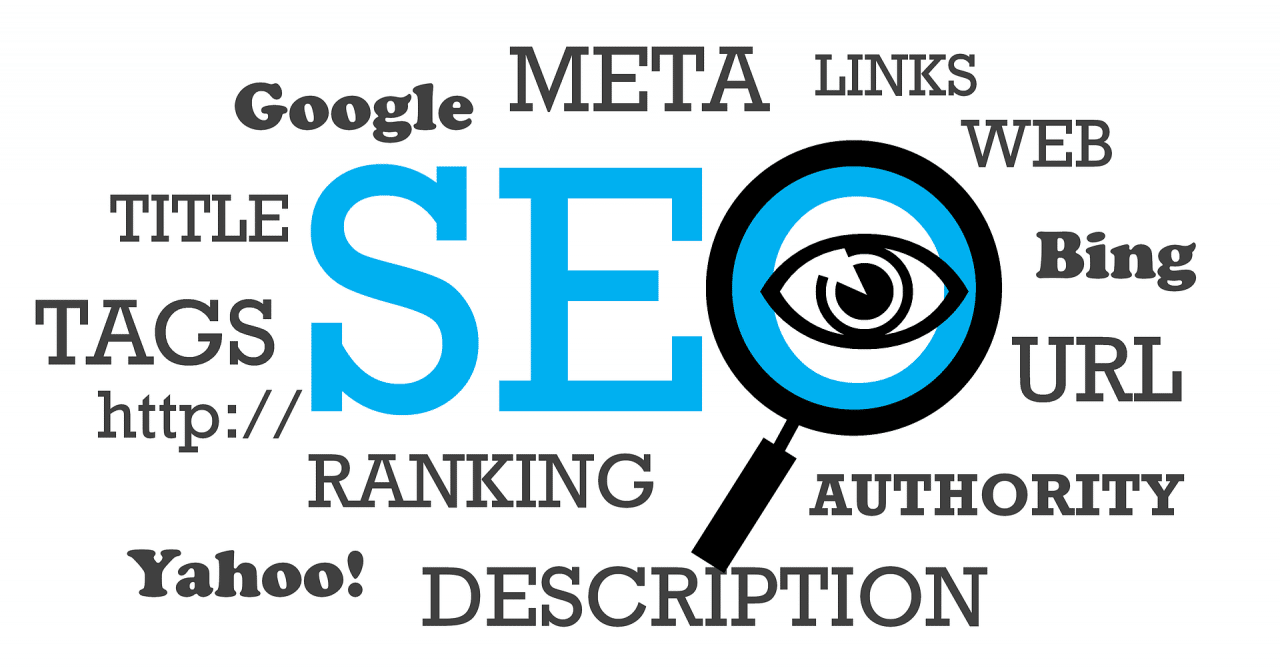
Merging Your Branding and SEO Strategies for Success
April 7, 2024
Companies that want to stand out in a crowded marketplace know the importance of having a good brand. Integrating your business’s SEO efforts with your branding can create a powerful synergy that drives visibility, traffic and engagement, and customer loyalty. In this blog we will discuss some practical steps to blend your business’s SEO strategy […]
Digital Advertising, Graphic Design, Marketing, Website Design
Generative AI for Designers – A Primer
April 2, 2024
This year’s Adobe Max conference was heavily steeped in the latest AI technologies that Adobe is offering for use by creative professionals everywhere. Adobe Firefly, released in March 2023, is a family of generative AI models with an initial focus on creation of images and text effects. I was pleasantly surprised to find that the […]